Skip to content


Choosing new tyres isn’t just about price, it’s about safety, performance, and long-term value. If you’re wondering whether budget tyres are worth it, you’re not alone. Many drivers want to save money, but also want peace of mind on the road, especially when comparing options like budget, mid-range, and premium tyres from brands such as Michelin, Goodyear, or Bridgestone.
Based in Guildford, we fit and replace tyres for local drivers every day, giving us real-world insight into how different tyre types perform on UK roads. Choose the right tyres every day, and one question comes up again and again: are cheap tyres actually safe, and do they really save money in the long run?
The truth is simple: budget tyres can be a smart choice, but only in the right situation. If you’re unsure where to start, you can explore our tyre fitting services in Guildford for expert advice and fast same-day fitting.In fact, independent testing shows that budget tyres can take 4–6 metres longer to stop in wet conditions, which can be the difference between stopping safely and a collision.
What Are Budget Tyres?
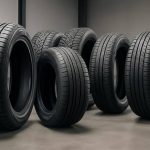
Budget tyres are entry-level tyres designed to meet basic UK safety standards while keeping costs as low as possible.
Unlike premium brands such as Michelin, Goodyear, or Bridgestone, which invest heavily in advanced technology and performance testing, budget tyres are built with a more straightforward approach.
They typically:
- Use simpler rubber compounds, which can affect grip in wet or cold conditions
- Features basic tread patterns designed for everyday driving rather than high performance
- Focus on affordability over long-term durability and refinement
That said, “budget” doesn’t mean unsafe. All tyres sold in the UK must meet strict legal requirements, including safety certification and performance standards.
In fact, budget tyres are fully road-legal and suitable for normal driving, especially for low-speed, urban use.
However, it’s essential to recognize that while they meet minimum standards, they don’t provide the same level of wet grip, braking performance, or lifespan as mid-range or premium options, which is where the real difference lies.
Budget vs Mid-Range vs Premium Tyres
Not all tyres are built the same. The difference between budget, mid-range, and premium tyres goes beyond price; it affects grip, safety, comfort, and how long your tyres last.
Here’s a simple comparison to help you understand:
| Feature | Budget Tyres | Mid-Range Tyres | Premium Tyres |
| Price | Low | Medium | High |
| Wet Grip | Lower | Good | Excellent |
| Lifespan | Shorter | Medium | Long |
| Fuel Efficiency | Lower | Better | Best |
| Comfort | Basic | Balanced | High |
Premium brands like Michelin, Goodyear, and Bridgestone typically lead in performance, especially in wet conditions and at higher speeds. Budget tyres, while more affordable, are designed for basic everyday use with fewer performance advantages.
For most drivers, mid-range tyres offer the best balance between cost, safety, and durability, making them the most practical choice for daily driving.
Real Safety Difference (What Most Drivers Don’t Know)
Here’s what the data actually means in real-life driving.
Independent tests show that cars fitted with budget tyres can take around 4 to 6 metres longer to stop in wet conditions compared to premium tyres from brands like Michelin, Goodyear, and Bridgestone. That might not sound like much at first, but in reality, it’s roughly the length of one to one-and-a-half cars.

Imagine driving in the rain and suddenly needing to brake, by the time a car with premium tyres has already stopped, a car with budget tyres could still be moving forward. That extra distance is what increases the risk of an accident.
This doesn’t mean budget tyres are unsafe, but it clearly shows they provide less grip and a smaller safety margin, especially on wet roads or at higher speeds. That’s why your driving style and conditions play a big role in deciding whether they’re the right choice for you.
Pros & Cons of Budget Tyres
Budget tyres can be a smart, cost-effective option, but they’re not perfect. Here’s a simple side-by-side comparison to help you quickly understand the trade-offs.
| Pros of Budget Tyres | Cons of Budget Tyres |
| Lower upfront cost – ideal for quick, affordable replacements | Reduced wet grip – less traction in rain compared to premium tyres |
| Ideal for low mileage – great for short city driving | Shorter lifespan – wear out faster, especially on motorways |
| Safer than worn tyres – always better than damaged or bald tyres | Lower fuel efficiency – higher rolling resistance can increase fuel use |
| Wide availability – available in most common sizes | Less comfort – more road noise and a slightly harsher ride |
When Budget Tyres Make Sense: and When They Don’t
The question is never simply “are budget tyres good or bad?” The more useful question is: “are they right for my situation?” Here is an honest breakdown.
Budget tyres are a sensible choice when:
- You cover fewer than 8,000 miles per year and drive mainly on local roads around Farnborough or Fleet.
- Your journeys are predominantly short, low-speed, and urban in nature.
- You are driving an older vehicle that you plan to sell or part-exchange in the near future.
- You need an immediate replacement and a mid-range option is not currently available in your tyre size.
- Your vehicle is a dedicated second car used occasionally rather than daily.
Budget tyres are not the right call when:

- You regularly drive on motorways or faster A-roads, where higher speeds expose the wet-grip gap most significantly.
- You cover more than 12,000 to 15,000 miles per year, making tread life and cost-per-mile far more important.
- You drive a family vehicle and routinely carry children or passengers.
- Your area sees consistent wet weather, which, across Hampshire and Surrey, is most of the year.
- You drive a heavier vehicle such as an SUV or van, where tyre load demands are higher.
How to Choose a Good Budget Tyre
If you decide to go for budget tyres, choosing the right one makes a big difference. Not all budget tyres are the same, so it’s important to be selective.
Here are a few simple tips to help you choose wisely:
- Check the EU tyre label, aim for at least a C rating for wet grip
- Avoid completely unknown or untested brands
- Make sure your tyres are properly fitted and balanced
- Maintain the correct tyre pressure at all times
- Get your wheel alignment checked to prevent uneven wear
Remember, even the best tyre won’t perform properly if it’s not fitted or maintained correctly. In many cases, the quality of fitting matters just as much as the tyre itself.
Tyre Safety Tips (For Any Tyre Type)
No matter which tyres you choose, budget, mid-range, or premium, proper maintenance is what keeps you safe on the road and helps your tyres last longer.

Make these simple checks part of your routine:
- Check your tyre pressure at least once a month and before long journeys
- Keep tread depth above the legal minimum of 1.6mm for safe grip
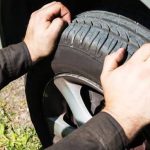
- Inspect tyres for cracks, bulges, or punctures
- Rotate tyres regularly to ensure even wear
- Avoid aggressive driving, such as hard braking or rapid acceleration
Good maintenance doesn’t just improve safety, it also extends tyre life and saves you money in the long run.
For example, a cheaper tyre that wears out quickly may need replacing twice, while a slightly more expensive mid-range tyre could last much longer. When you factor in fuel efficiency and lifespan, the overall cost difference is often smaller than expected.
Need Help Choosing the Right Tyres?
At G4 Tyres & Wheels, we supply and fit a wide range of tyres to suit every driver and budget, including:
- Budget tyres
- Mid-range tyres
- Premium tyres from brands like Michelin, Goodyear, and Bridgestone
We take the time to understand your driving habits, mileage, and budget, so you get the right tyres for your needs, not just the most expensive option.
Whether you need a single replacement or a full set, we offer fast, reliable tyre fitting with honest, expert advice, no upselling, just what’s best for you.
Conclusion
So, are budget tyres worth it?
Yes, if you’re a low-mileage, city driver looking for a cost-effective and practical solution.
No, if you prioritise maximum safety, performance, and long-term value from your tyres.
Budget tyres do the job for everyday driving, but they come with compromises, especially in wet grip, durability, and overall performance compared to premium brands like Michelin, Goodyear, and Bridgestone.
The key is simple: Choose tyres based on how you drive, not just what they cost. Make the right choice, and you’ll not only save money, but you’ll also drive with confidence and peace of mind.
FAQs
Are budget tyres safe in the UK?
Yes. All tyres sold in the UK must meet strict safety standards. Budget tyres are safe for everyday driving, but they offer lower performance in wet conditions compared to premium tyres.
How long do budget tyres last?
Most budget tyres last between 20,000 and 30,000 miles, depending on driving habits and road conditions.
Are mid-range tyres better than budget tyres?
Yes. Mid-range tyres provide better grip, longer lifespan, and improved comfort, making them a better all-round choice for most drivers.
Can budget tyres be used for motorway driving?
They can, but they are not ideal. Premium or mid-range tyres offer better stability, grip, and safety at higher speeds.
Do budget tyres increase fuel consumption?
Yes, slightly. Budget tyres often have higher rolling resistance, which can reduce fuel efficiency over time.